

The robotaxi lands in Madrid: what opportunities open up

Madrid has spent two months collecting driverless-car announcements. The latest came on 20 October: Waymo will deploy its autonomous vehicles in the region, first on the streets of the capital, Alcobendas and Getafe, in three-stage trials that will end with commercial service over the course of 2027.
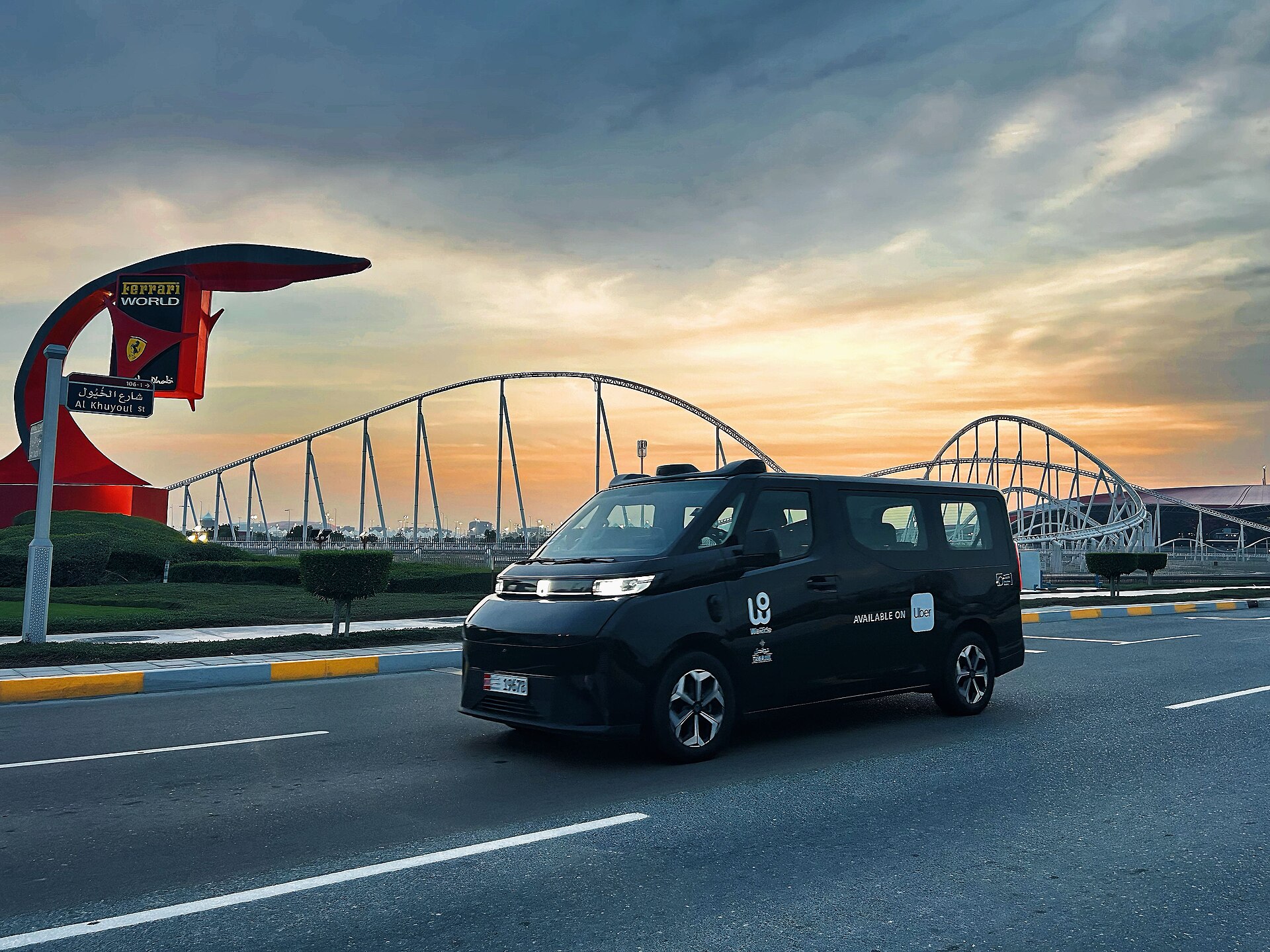
A month earlier, the DGT granted the first national permit for level-4 autonomous vehicle testing to WeRide cars that will operate with Uber and Avomo in Madrid, in collaboration with the regional government. If Uber and WeRide hit their planned milestones, their commercial service will start before the end of 2026. The Community of Madrid itself presented, the same day, an experimental project for autonomous cars and taxis for the last quarter, with tech companies, fleet operators, VTC and taxi at the table for two years. The city council is also following this closely: in May it held a working meeting on new developments in autonomous vehicles.
More are coming. Bolt is preparing level-4 autonomous vehicles for Europe with Stellantis, testing from 2026, with a programme already running in Luxembourg alongside Pony.ai and initial production planned for 2029. The specialist press places Madrid among its first test cities, although the company has not confirmed it. Uber will also trial with Momenta autonomous services in Munich over the course of 2026. Lyft and Baidu will bring Apollo Go robotaxis to Germany and the UK, and Switzerland has already granted a level-4 permit to the Apollo Go and PostBus AmiGo service.
Spain already wrote the first chapter
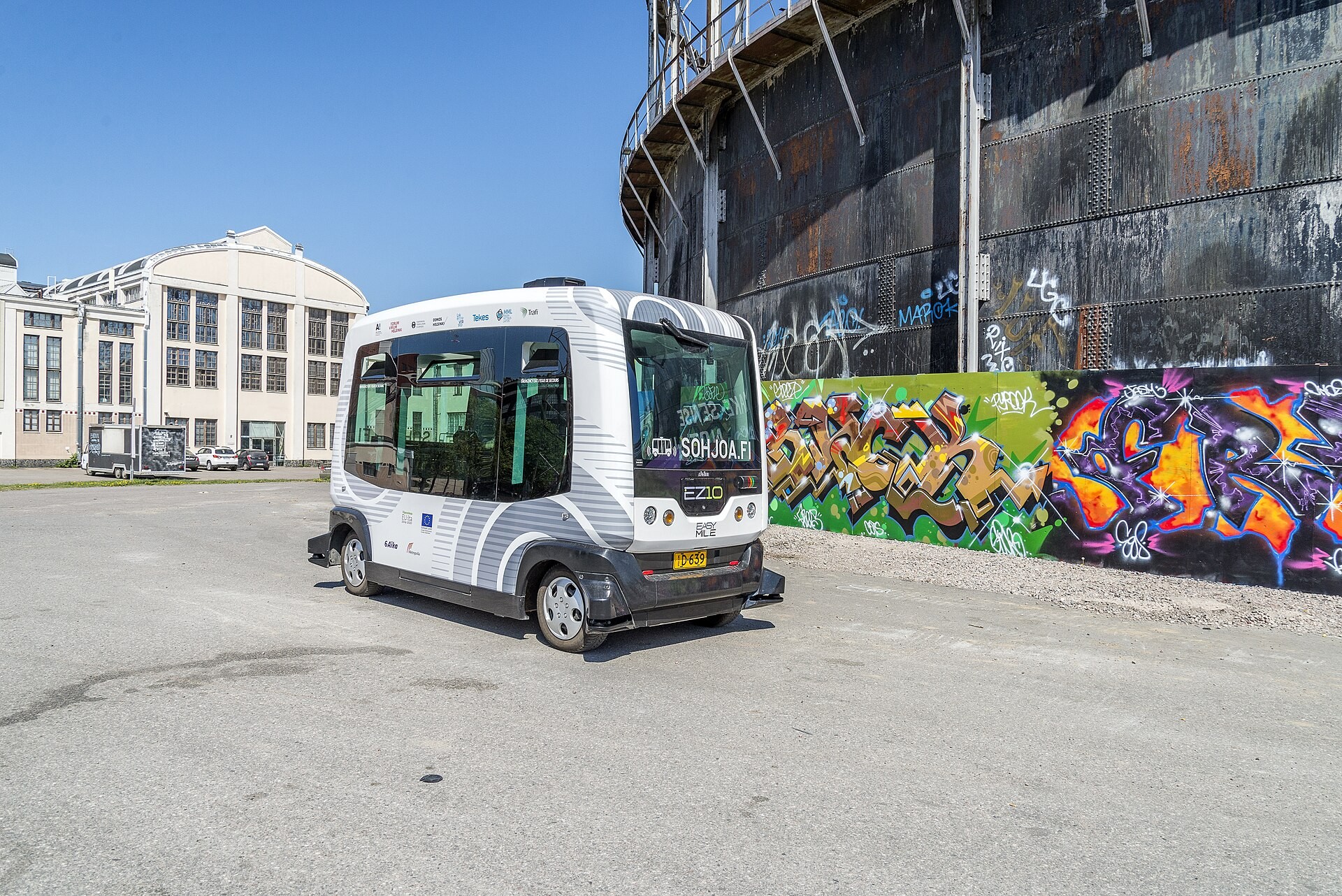
This does not start from zero. In 2020, ALSA launched the first autonomous bus in regular passenger service in Spain: an electric EZ10, accessible for people with reduced mobility, linking the commuter rail station with the Autonomous University of Madrid's Cantoblanco campus, a project with the CRTM, the UAM and the DGT. When ALSA was preparing that leap, at AEVAC we were already working with them, as well as sharing activities in the European 5G-MOBIX consortium.
AEVAC was born in October 2017 as the first European association dedicated specifically to the autonomous vehicle for which there is public record. We have spent nearly a decade working for this moment to arrive and, as an association, we are delighted it finally has.
What opportunities open up
Which concrete opportunities open up for Spain? I see four.
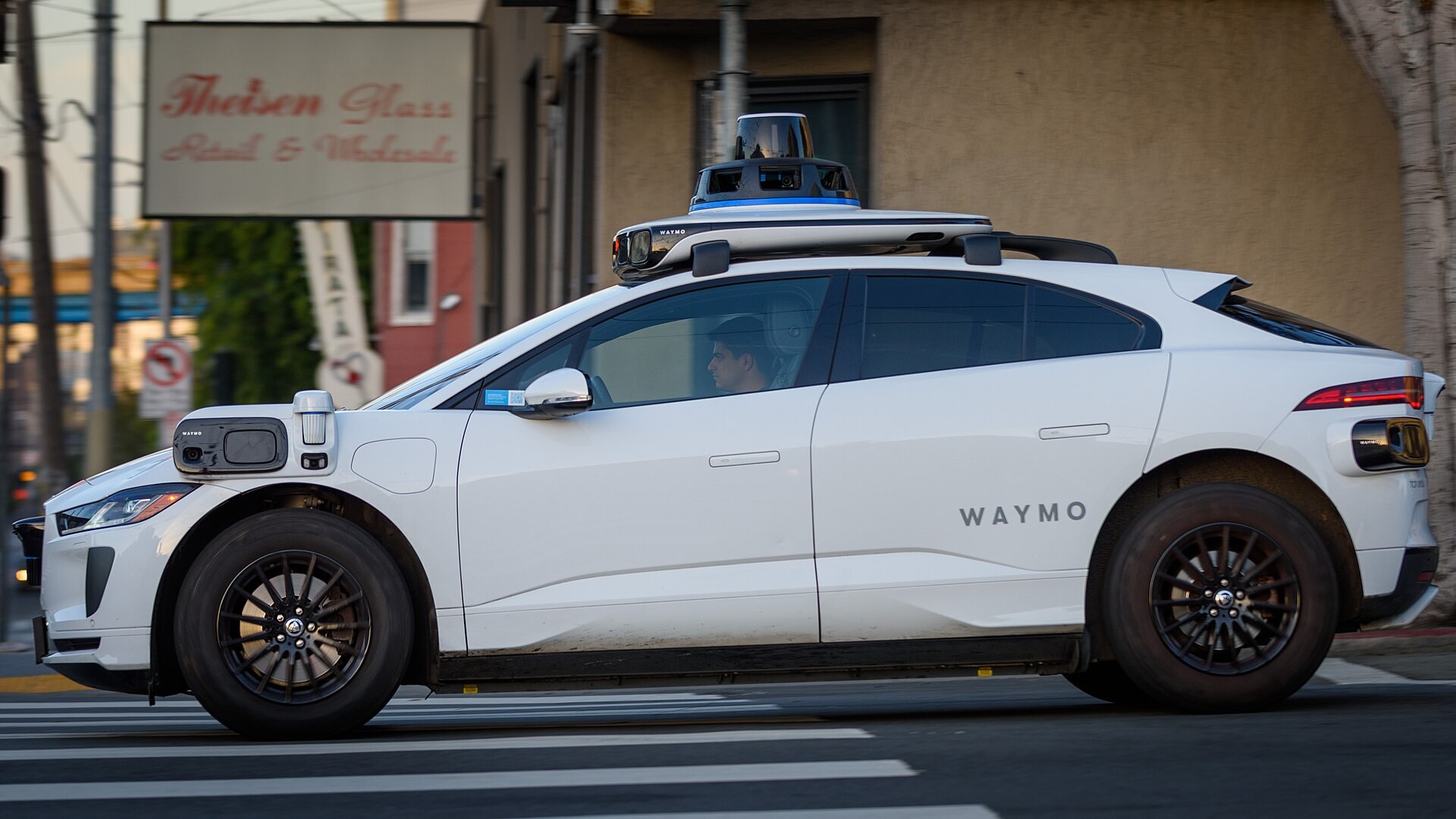
The first: that the technology lands with people at the centre of every proposal. And by people I mean everyone: those who will ride in these vehicles, the pedestrians who will cross paths with them, the cyclists who will ride beside them and the drivers who will share the lane. Everyone counts from day one, including older people and people with disabilities, because an accessible vehicle improves anyone's journey. Waymo arrives with figures of more than 400 million autonomous kilometres and 95% fewer serious-injury crashes than a human driver, according to its own numbers. These are the company's figures, not yet checked by an independent body, and they should be read in proportion. Even so, the direction is right: fewer crashes is exactly what we have been asking for, for years.
The second: jobs and economic activity in Spain. Every operator that lands needs fleets, maintenance, supervision, mapping and customer service, and almost all of that happens here or it does not happen. Avomo, the autonomous vehicle division of Grupo Moove Cars, is already the Spanish partner in the first permit. How many more Spanish companies can sit at this table if we move in time?
For us, though, that is not enough. Spain has to become a hub of talent, of research and of new use cases. We want knowledge generated here, intellectual property here and competitive advantages for our companies, with the support of public administrations. Only then will we ride the wave of development, instead of remaining mere consumers of these mobility solutions.
The third: that the technology solves real problems. Nobody will use these cars for the algorithm inside them, but because they arrive sooner, cost less or cover journeys nobody covers today. Madrid's success will be measured in useful trips, not in headlines. Who would pay for a journey that solves nothing for them?
The fourth: an orderly transition for taxi and VTC. The Community's project seats the sector at the table from the start and creates no new licences. It is the sensible path: design the change with the people who make a living from it, instead of letting it land on top of them. Is there a better moment to sit down and design it than now?
Timeline of rollouts and opportunities
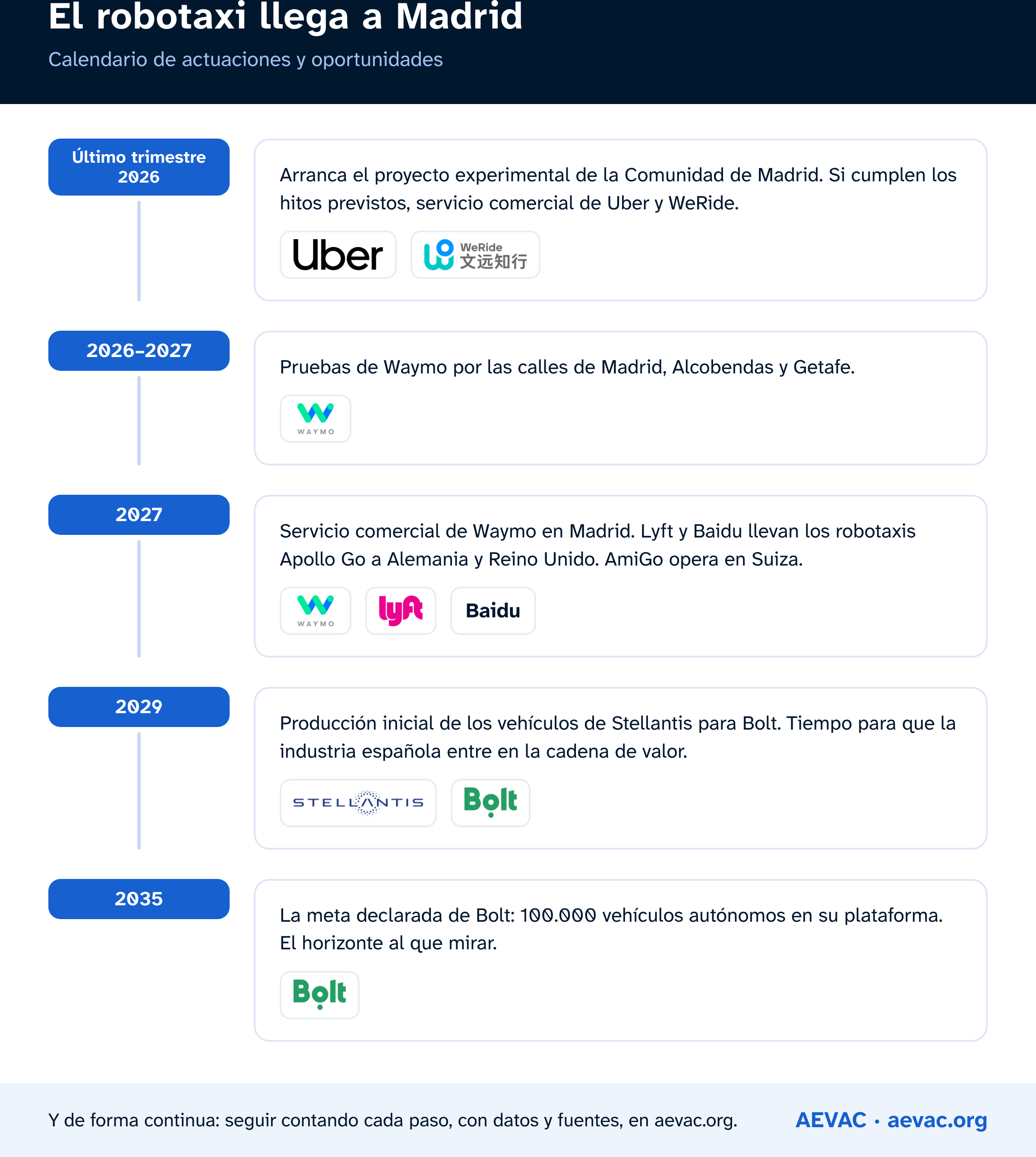
- Last quarter of 2026. The Community of Madrid's experimental project starts and, if Uber and WeRide hit their milestones, their commercial service.
- 2026-2027. Waymo trials across Madrid, Alcobendas and Getafe. We will follow them closely: what opportunities they open for the Spanish ecosystem and how they treat people.
- 2027. Waymo commercial service in Madrid, Lyft and Baidu robotaxis in Germany and the UK, and regular AmiGo operation in Switzerland. We will follow every rollout to bring the lessons to Spain.
- 2029. Initial production of Stellantis vehicles for Bolt. Plenty of time for Spanish industry to enter the value chain.
- 2035. Bolt's declared ambition: 100,000 autonomous vehicles on its platform. The horizon to look at.
And continuously: keep telling every step here, with data and sources.
Now is the time to act
None of this will arrive on its own. From AEVAC we ask the ecosystem to get moving: companies, research centres and society. The opportunities are on the table, in media attention and in investment, and we will only seize them if we work on them together.
To public administrations: agility
The autonomous car is only the visible layer. Underneath there are many more: energy, data centres, IoT devices, better connectivity and new mobility models. Artificial intelligence reaches everywhere, energy becomes key and connectivity, essential. Moments like this give us the chance to push the country's future forward. Every layer needs its permits and paperwork, and that paperwork has to move as fast as possible, always with people's safety first.
The driverless car is already rolling through Madrid. Let's make it roll for everyone.