

Autonomous vehicle
Vehicles that drive themselves within a defined zone and conditions.
From the vehicle to the standard, grouped into four blocks. In each area we explain what we do and where the data comes from.
Our work starts from a 2021 study: "Roadmap for the and legislation of in Spain". We analysed more than 2,000 standards and selected 350. This map organises standardisation into six technology areas and six groups of .
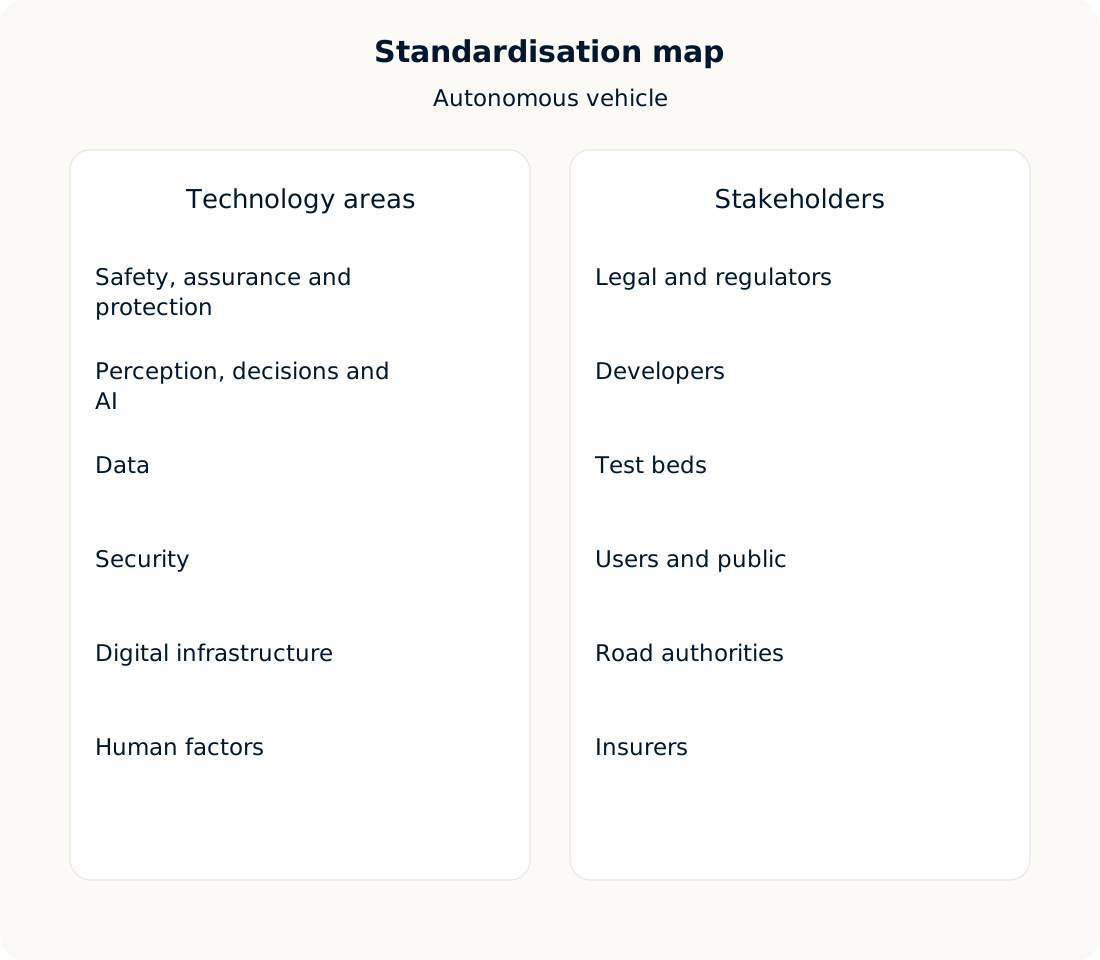
A car sits in the centre. Around it, in the inner ring, are the six technology areas:
In the stakeholder column, are the six groups of actors:
The vehicle that decides for itself: what it can do, with what intelligence and how it is checked before it goes on the street.
Vehicles that drive themselves within a defined zone and conditions.
Trust, ethics and rights when a machine decides.
Testing on the track, in the city and in rural areas before deployment.
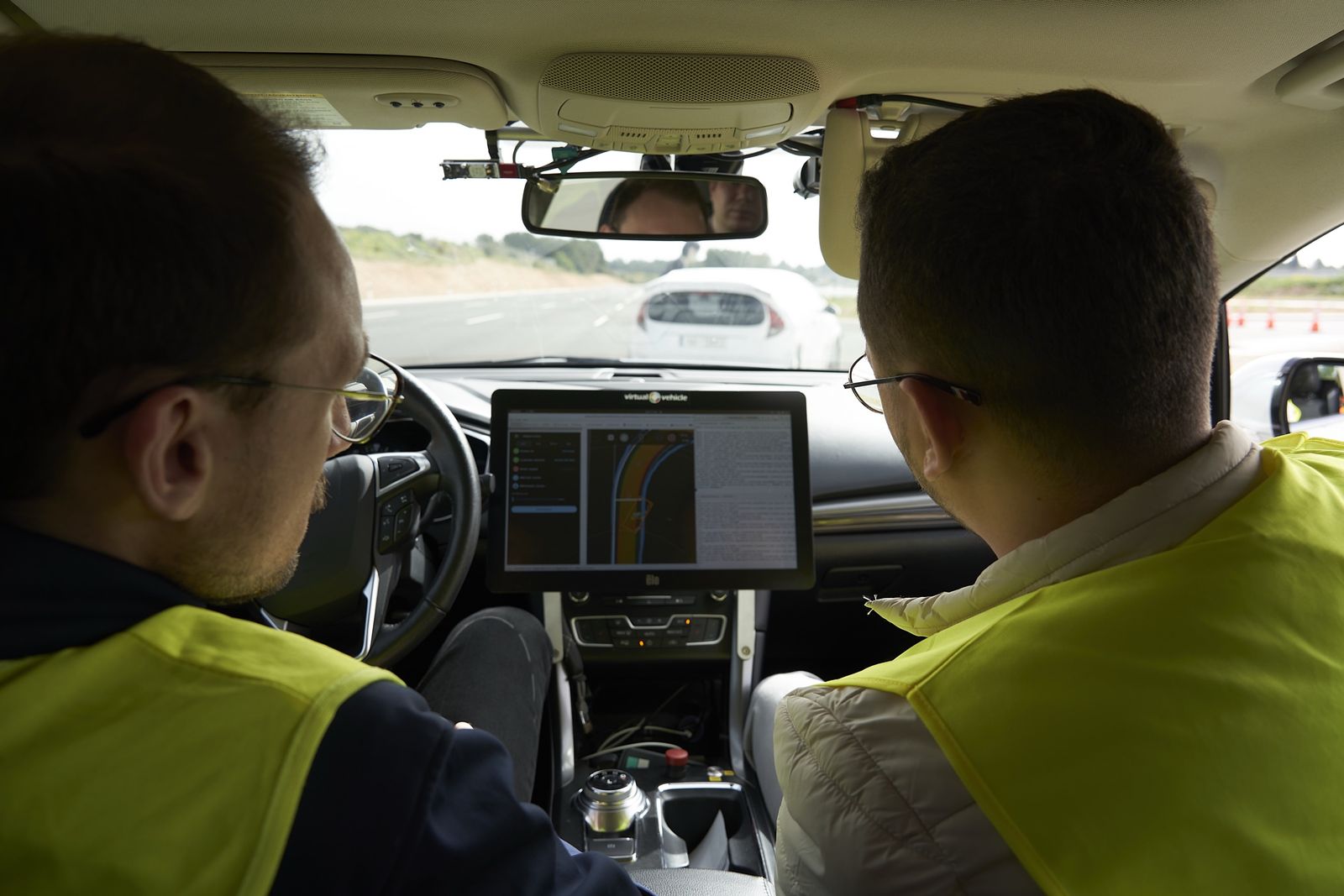
What connects the vehicle to the road, the network and the , and protects it while doing so.
Vehicles that communicate with other vehicles, with the road and with the network.
From the vehicle to the cloud: the infrastructure that connects the service.
Protecting the vehicle, its data and the people travelling inside.
The rules to be met, the requirements and the European projects that this knowledge comes from.
That the service works for everyone, from the first click to the destination.
Which rules apply and what remains to be regulated.
European projects with the voice of those who use the service.
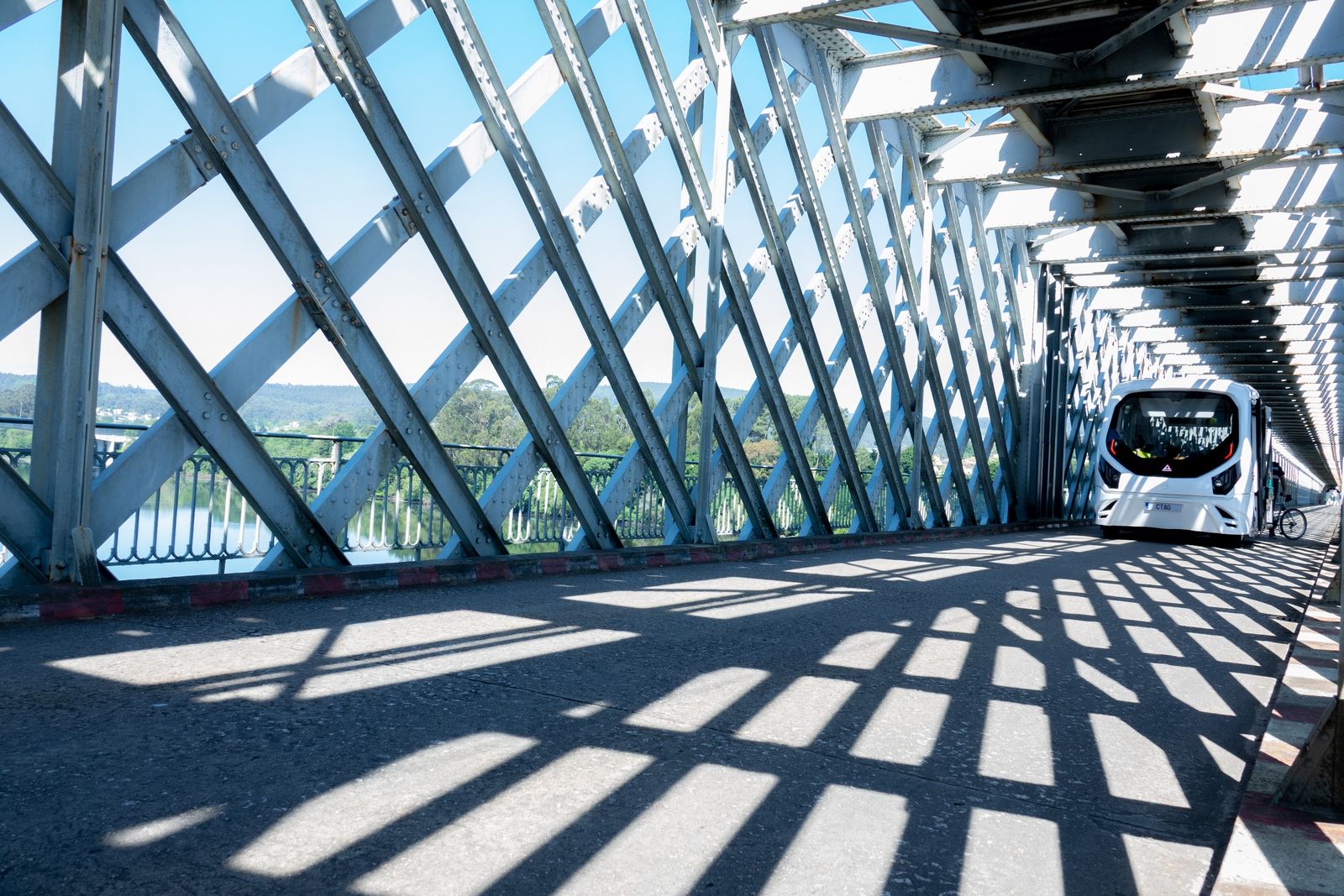
Where all this is used: city councils that decide, combined transport and other modes such as drones.
We support city councils from the idea to the evaluation of the service.
Shared and , combined with public transport.
Inspection and delivery drones.