
SELFY
SELF assessment, protection & healing tools for a trustworthY and resilient
Project details
- Type
- European project
- Categories
- , , Europe, Research, Infrastructure
- Status
- Completed
- Programme
- Dates
- From 1 June 2022 to 31 May 2025
- Location
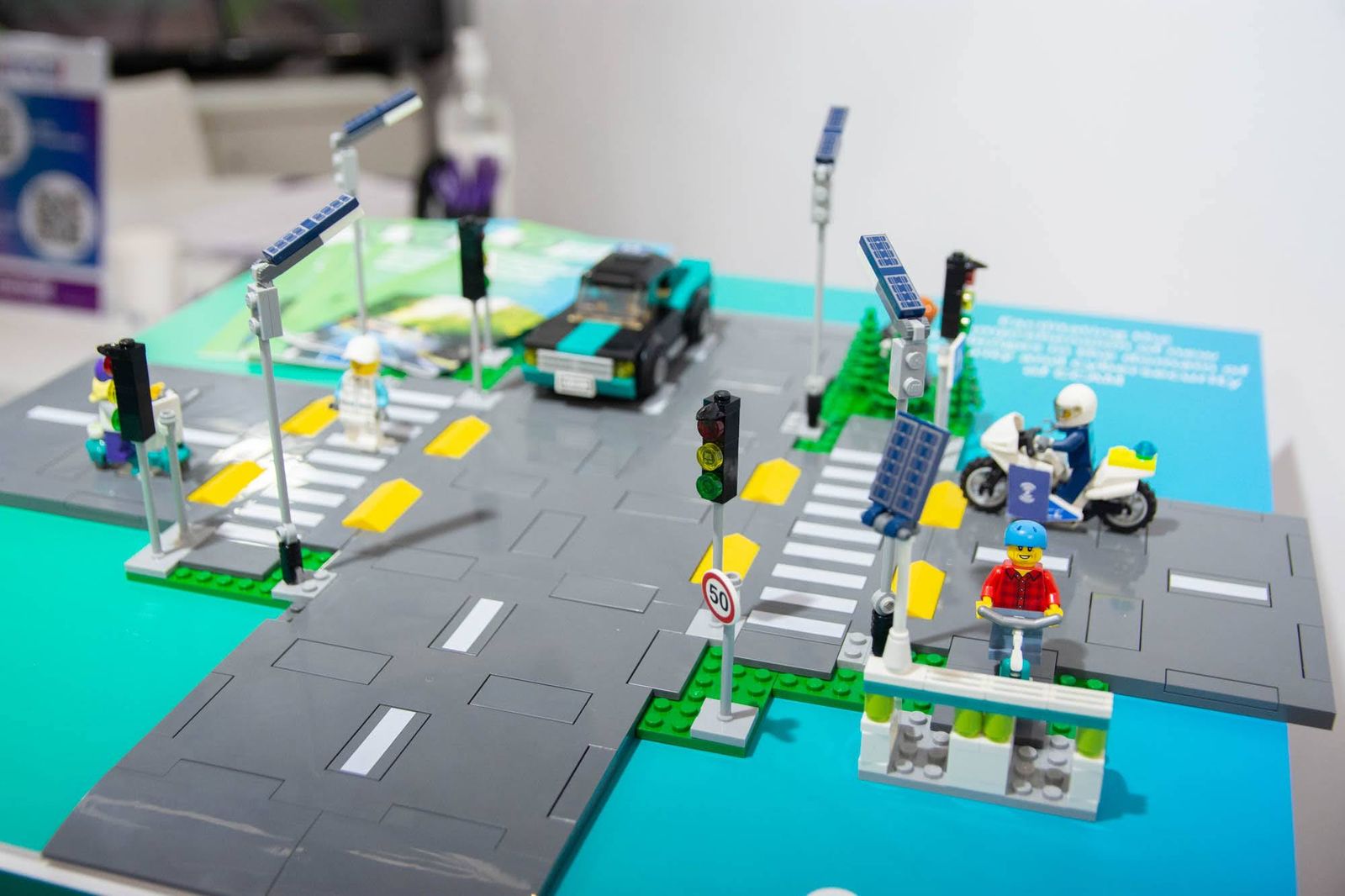
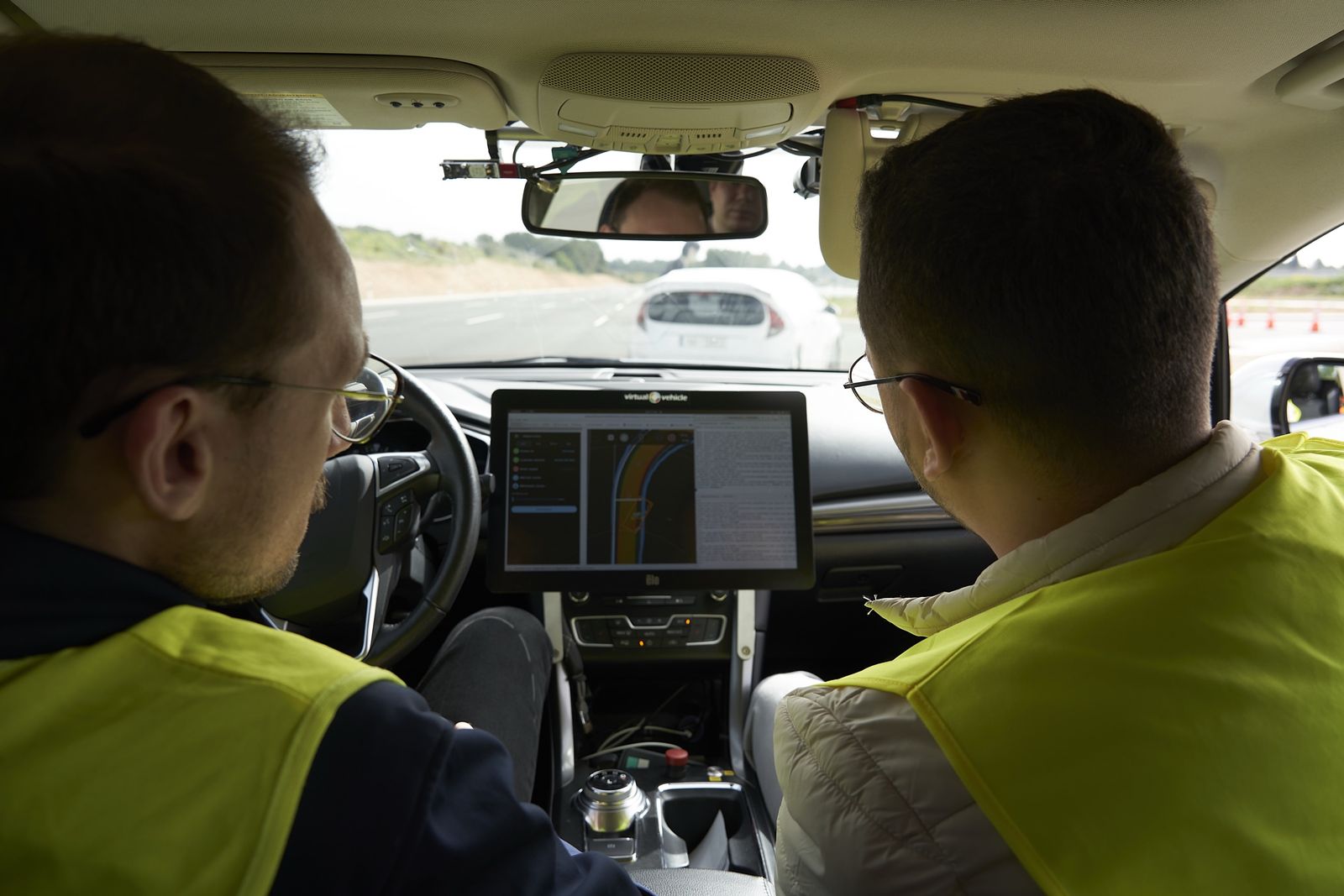
- Demonstrations at the Applus+ IDIADA test track (Catalonia) and in central Vienna
- 17 organisations from 8 countries.
How we counted it
17 entities on , counting coordinator, participants, linked entities and third parties, from 8 countries. Coordinated by Fundació Eurecat. The others: AEVAC, Fundación Tecnalia, Ficosa Automotive and IDIADA Automotive Technology (Spain); CEA, Canon Research Centre France and Yogoko (France); Technische Hochschule Ingolstadt, FEV Europe and FEV io (Germany); Virtual Vehicle Research and Stadt Wien (Austria); Technische Universiteit Eindhoven (Netherlands); FEV TR (Turkey); and, as linked entities, Okayama University (Japan) and RMIT University (Australia). Source: SELFY on CORDIS - AEVAC's role
- Consortium partner, with tasks in , social sciences and dissemination. AEVAC is listed as leader of deliverable D7.3, with Aitor Fernández and David Fidalgo as authors of the draft and the final version. According to the project's official website, AEVAC supports the use cases, disseminates progress, offers training workshops and advises on the applicable standards. Sources: participation on CORDIS; deliverable D7.3; tasks described by SELFY
AEVAC's documented contributions
AEVAC is listed as leader of deliverable D7.3, devoted to standardisation and social sciences. Its history identifies Aitor Fernández and David Fidalgo as authors of the draft and the final version, with contributions and review from other entities in the project. The report has 113 pages and states that it was delivered on 13 December 2024. Source: D7.3: standardisation and social sciences.
- Social study. D7.3 includes two surveys carried out between March and September 2024: one of 80 professionals and one of 100 members of the general public. They cover trust, cybersecurity, privacy and . The sample is not representative of the whole of Europe.
- Standards and gaps. The report describes the selection of standards with the consortium and the gap analysis. It includes the white paper Enhancing CCAM Ecosystem Safety and Security: The SELFY Project. It does not amount to having created new ISO standards.
- Joint workshops. It documents three workshops between October 2022 and February 2023, with the participation of FAME, CONNECT and the advisory board. Their results were incorporated into D2.2 on requirements and architecture. These are joint activities of the project, not exclusive to AEVAC.
Dissemination and dialogue on accessibility
- David Fidalgo presented SELFY's objectives, use cases and standards at the ISO/TC 204 committee meeting held in Athens from 23 to 25 July 2024. Source: official news item on ISO/TC 204.
- Aitor Fernández took part in the CEAPAT round table on artificial intelligence and accessibility in autonomous vehicles, on 8 November 2024. The official news item also explains AEVAC's social study. Source: official news item on the CEAPAT round table.
- Aitor Fernández presented SELFY at the Forum in 2023, 2024 and 2025, according to the project's news.
AEVAC's work focuses on social studies, standards and dissemination. The cybersecurity tools and the results of the demonstrations belong to the project consortium.
Description
SELFY developed a toolbox so that connected and automated mobility can withstand cyberattacks and failures. It has three parts: shared perception of the surroundings (vehicles and infrastructure pass on what they see), a cooperative system that responds and recovers when something fails, and a system that manages data reliably. According to CORDIS, 50 million connected cars are expected in Europe in 2026 and European regulation requires cybersecurity certificates for vehicles. It was coordinated by the technology centre Eurecat. It ended on 31 May 2025.
Goal
To make and mobility services work safely, and to help users trust them more.
Consortium results
- In May 2025 the project demonstrated five things on the track and in the city: detecting a vulnerable road user while an attacked vehicle sent false data, detecting sensor failures using infrastructure data, filtering unreliable messages, aborting an overtaking manoeuvre during a cyberattack and anonymising faces and number plates in real time. Source: SELFY demonstrations in Catalonia and Vienna
- According to the project, the solution identifies more than 95% of vulnerable vehicles and more than 90% of security breaches. Source: SELFY demonstrations in Catalonia and Vienna
Technologies
- Cybersecurity
- Collaborative perception
- Trusted data
- Vehicle-to-infrastructure communication
- Real-time anonymisation